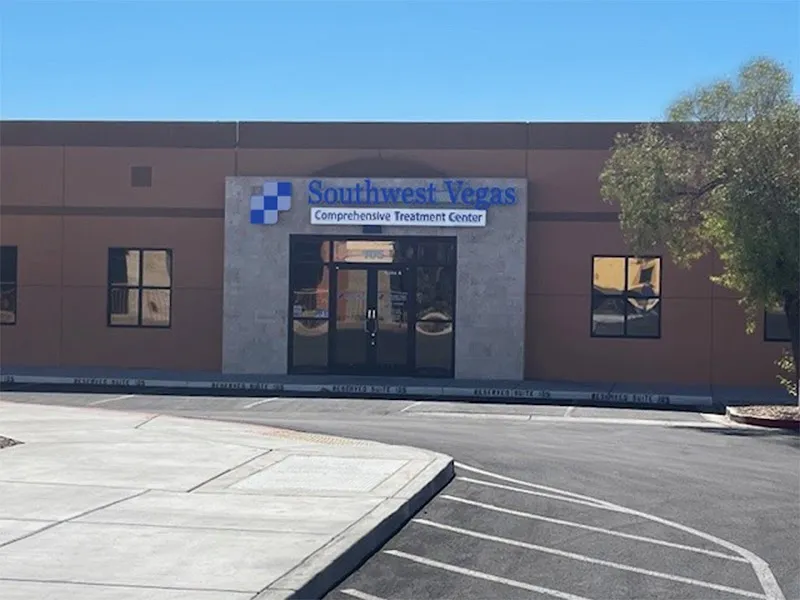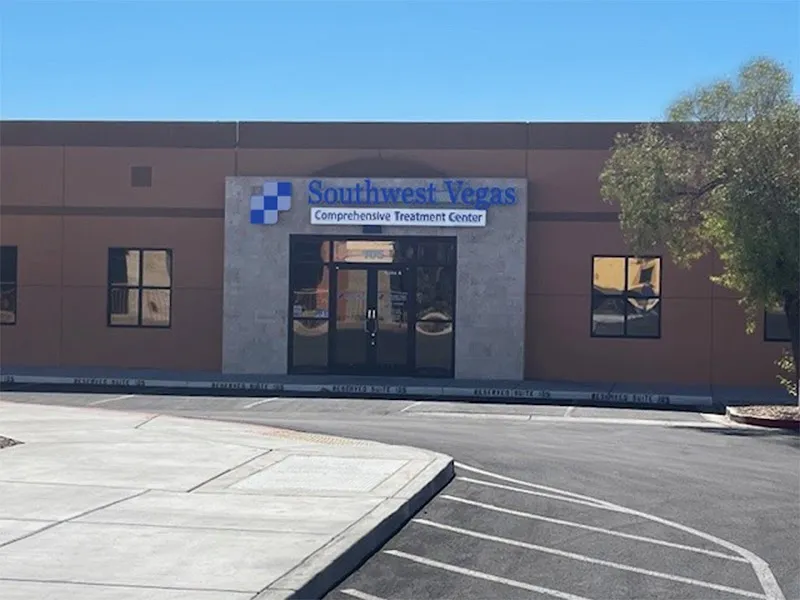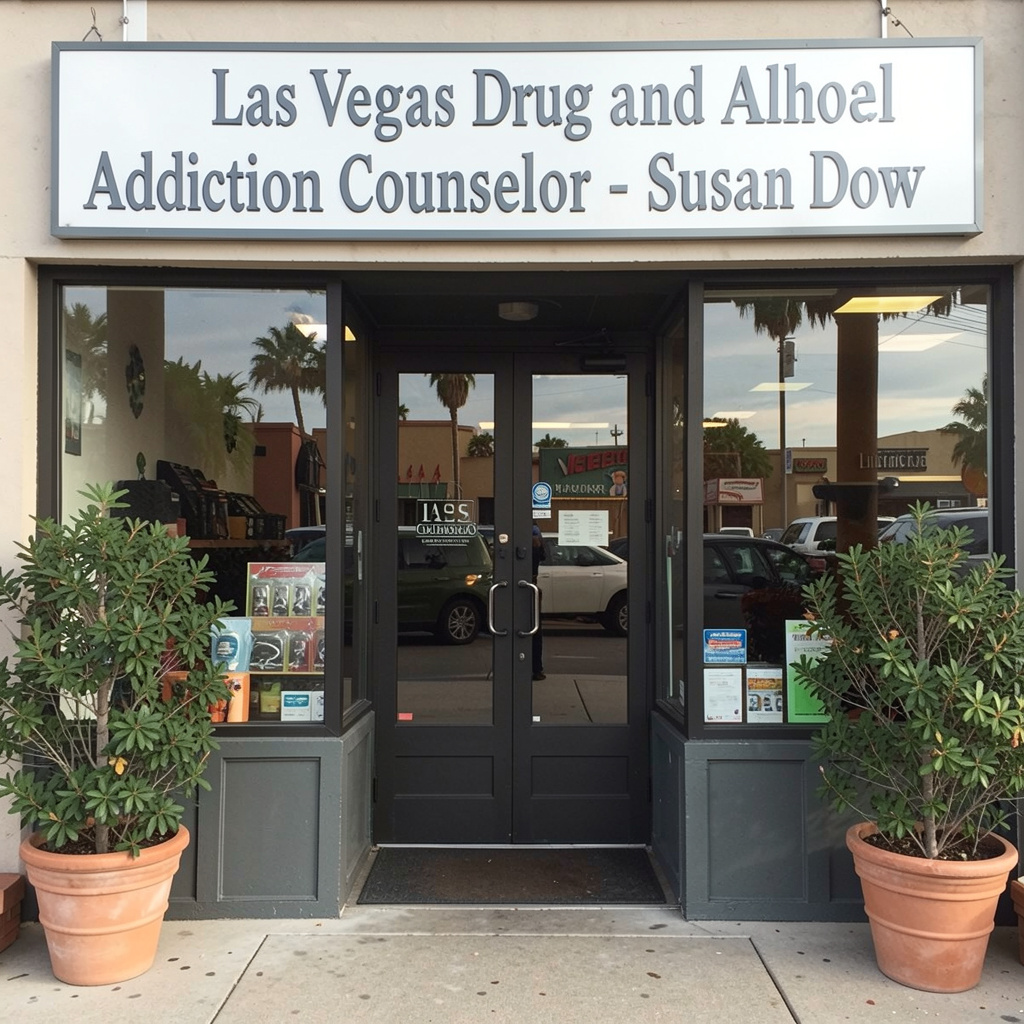

Finding the right addiction treatment center in Las Vegas, NV, can be a pivotal step towards recovery. With a variety of options available, understanding what each type of treatment center offers, how to assess their quality, and knowing what to expect can empower you or your loved one to make informed decisions. This guide will provide you with essential information to navigate the landscape of addiction treatment in Las Vegas as we look ahead to 2026.
Types of Treatment Centers
Addiction treatment centers in Las Vegas typically fall into three main categories:
- Residential Treatment Centers (RTC): These facilities offer a live-in program that provides comprehensive care 24/7. Ideal for individuals with severe addictions, RTCs create a structured environment conducive to recovery.
- 부분 입원 치료 프로그램(PHP): PHPs offer intensive treatment during the day while allowing patients to return home in the evenings. This option is beneficial for those who need significant support but do not require full-time residential care.
- 집중 외래 환자 프로그램(IOP): IOPs provide flexibility for individuals who need support but can maintain some level of independence. These programs typically include multiple weekly sessions focusing on therapy and skill-building.
How to Evaluate Quality of Care
Choosing a treatment center is about more than just location and type of care; it's essential to evaluate the quality of care provided. Consider the following:
- Staff Qualifications: Look for centers with certified addiction specialists, licensed counselors, and medical professionals with experience in addiction treatment.
- Treatment Approach: Ensure the center utilizes evidence-based practices and personalized treatment plans tailored to each individual’s needs.
- Success Rates: Inquire about the center's success rates and follow-up care to gauge their effectiveness in helping individuals maintain sobriety.
Accreditation
Accreditation is a mark of quality in addiction treatment. In Las Vegas, notable accrediting organizations include:
- Commission on Accreditation of Rehabilitation Facilities (CARF): CARF accreditation indicates that a facility meets rigorous standards of care.
- The Joint Commission: This organization evaluates healthcare organizations to ensure they provide safe and effective treatment. Look for centers with Joint Commission accreditation for quality assurance.
What to Expect During Admission
The admission process can be daunting, but knowing what to expect can ease your anxiety. Generally, the process includes:
- Initial Assessment: Upon arrival, a comprehensive assessment will be conducted to determine the severity of addiction and any co-occurring mental health disorders.
- Personalized Treatment Plan: Based on the assessment, the center will create a tailored treatment plan that addresses individual needs.
- Medical Evaluation: A medical evaluation may be performed to check for any physical health issues or medication needs.
Average Cost and Length of Stay
The cost of treatment can vary significantly based on the type of program and the services provided. Here is a general overview:
- Residential Treatment: Costs can range from $20,000 to $60,000 for a 30-day stay, depending on amenities and level of care.
- PHP: Expect to pay between $10,000 and $30,000 for a 30-day program.
- IOP: This is typically the least expensive option, costing about $5,000 to $15,000 for a month.
The average length of stay varies: Residential programs typically last 30 to 90 days, while PHPs may last 30 to 60 days, and IOPs can range from a few weeks to several months.
Insurance-Accepted Facilities in Las Vegas
Many treatment centers in Las Vegas accept various insurance plans, which can significantly reduce out-of-pocket expenses. It’s important to check with the facility to understand what insurance they accept and what services are covered. Common insurers include:
- 애트나
- 시그나
- Blue Cross Blue Shield
- United Healthcare
State-Funded Options
If you’re concerned about affordability, Las Vegas offers state-funded options for those who qualify. These programs can provide essential services at little to no cost, ensuring that financial barriers do not prevent access to care.
사후 관리 계획
Successful recovery often extends beyond the initial treatment phase. Aftercare planning is critical and may include:
- 지원 그룹: Engage with groups like Alcoholics Anonymous (AA) or Narcotics Anonymous (NA) to build a support network.
- Continuing Therapy: Follow-up appointments with counselors or therapists can help maintain sobriety and address ongoing challenges.
- Life Skills Training: Programs that focus on job readiness, education, and coping strategies can be beneficial.
How to Get Started
Taking the first step towards recovery can be challenging, but it’s a crucial one. Here’s how to get started:
- Research Treatment Centers: Use online resources to find facilities that meet your needs.
- Contact Facilities: Reach out to inquire about their programs, costs, and availability.
- Consult with a Professional: Consider speaking with a healthcare provider or addiction specialist for personalized recommendations.
Remember, reaching out for help is a sign of strength. The journey to recovery is possible, and support is available in Las Vegas. You don’t have to navigate this path alone.
라스베이거스에서 더 많은 회복 지원 서비스를 찾아보세요
Sober Network is a directory, not an intake form. Explore local facilities and contact providers directly.