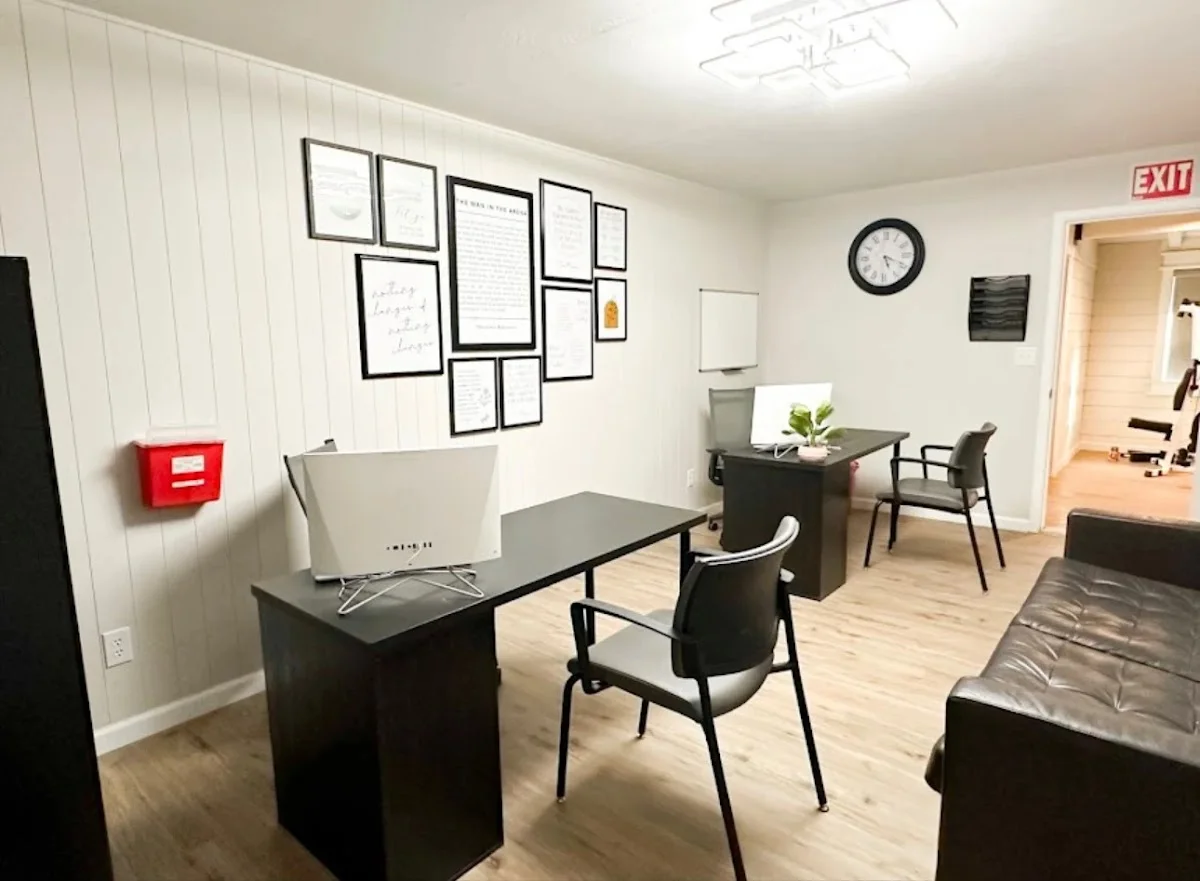

Medication-Assisted Treatment (MAT) offers a comprehensive and evidence-based approach to overcoming addiction, particularly opioid and alcohol use disorders. In Las Vegas, NV, MAT programs combine FDA-approved medications with counseling and behavioral therapies to provide a supportive pathway toward lasting recovery. This combination addresses both the physical and psychological aspects of addiction, leading to improved outcomes and a higher chance of sustained sobriety.
What is Medication-Assisted Treatment (MAT)?
MAT is a treatment approach that utilizes medications in combination with counseling and behavioral therapies to treat substance use disorders. It's designed to alleviate withdrawal symptoms, reduce cravings, and normalize brain function, making it easier for individuals to engage in therapy and develop healthy coping mechanisms. MAT is not a replacement for other forms of treatment, but rather a complementary approach that enhances their effectiveness.
Medications Used in MAT
Several medications are commonly used in MAT programs, each with its unique mechanism of action and application:
- Suboxone/Buprenorphine: Buprenorphine is a partial opioid agonist, meaning it binds to opioid receptors in the brain but doesn't produce the same intense high as opioids like heroin or prescription painkillers. Suboxone combines buprenorphine with naloxone, an opioid antagonist that blocks the effects of opioids if the medication is injected. Buprenorphine helps to reduce cravings and withdrawal symptoms, making it easier for individuals to transition off of opioids.
- Methadone: Methadone is a long-acting opioid agonist that also binds to opioid receptors in the brain. It's administered in a controlled setting and helps to stabilize individuals by preventing withdrawal symptoms and reducing cravings. Methadone maintenance therapy has been used for decades and is considered a highly effective treatment for opioid use disorder.
- Naltrexone/Vivitrol: Naltrexone is an opioid antagonist that blocks the effects of opioids. It's available in both oral (naltrexone) and injectable (Vivitrol) forms. Vivitrol is a monthly injection that eliminates the need for daily pills, improving adherence. Naltrexone is particularly effective for individuals who have already detoxed from opioids and are committed to maintaining abstinence. It can also be used to treat alcohol use disorder by reducing cravings and the rewarding effects of alcohol.
How MAT Works with Counseling
Medication alone is not sufficient for long-term recovery. MAT programs integrate counseling and behavioral therapies to address the underlying psychological and social factors that contribute to addiction. Common therapies used in conjunction with MAT include:
- Cognitive Behavioral Therapy (CBT): CBT helps individuals identify and change negative thought patterns and behaviors that contribute to substance use.
- Dialectical Behavior Therapy (DBT): DBT teaches skills for managing emotions, improving interpersonal relationships, and coping with stress.
- Motivational Interviewing (MI): MI helps individuals explore their ambivalence about change and develop intrinsic motivation to pursue recovery.
- Group Therapy: Group therapy provides a supportive environment where individuals can share their experiences, learn from others, and build coping skills.
Finding MAT Providers in Las Vegas
Las Vegas offers a range of MAT providers, including:
- SAMHSA's Behavioral Health Treatment Services Locator: This online tool allows you to search for MAT providers by location and specific needs.
- Local Hospitals and Treatment Centers: Many hospitals and treatment centers in Las Vegas offer comprehensive MAT programs. Contacting these facilities directly can provide valuable information.
- Physicians and Psychiatrists: Some physicians and psychiatrists are certified to prescribe buprenorphine. Your primary care physician may be able to refer you to a qualified provider.
When choosing a MAT provider, consider factors such as their experience, credentials, and the range of services they offer. It's also important to find a provider with whom you feel comfortable and supported.
Insurance Coverage for MAT
Most insurance plans, including Medicaid and Medicare, cover MAT. However, coverage can vary depending on the specific plan. It's essential to contact your insurance provider to understand your coverage options and any out-of-pocket costs. Many MAT providers also offer payment plans or sliding scale fees to make treatment more accessible.
Addressing Stigma Around MAT
Despite its proven effectiveness, MAT is often stigmatized. Some people mistakenly believe that MAT is simply replacing one drug with another or that it's not a "true" form of recovery. These misconceptions are harmful and can prevent individuals from seeking the help they need. It's important to understand that MAT is a legitimate and evidence-based treatment that can significantly improve outcomes for individuals with substance use disorders. By educating ourselves and others about MAT, we can help to reduce stigma and promote access to this life-saving treatment.
Success Rates of MAT
MAT has been shown to be highly effective in treating opioid and alcohol use disorders. Studies have demonstrated that MAT can:
- Reduce opioid overdose deaths
- Decrease illicit drug use
- Improve treatment retention
- Increase employment rates
- Enhance overall quality of life
While individual results may vary, MAT offers a significant advantage over abstinence-only approaches for many individuals.
Who Benefits Most from MAT?
MAT can be beneficial for a wide range of individuals struggling with opioid or alcohol use disorders. It's particularly helpful for those who:
- Have experienced repeated relapse
- Struggle with intense cravings or withdrawal symptoms
- Have co-occurring mental health conditions
- Have not been successful with other forms of treatment
Ultimately, the decision to pursue MAT should be made in consultation with a qualified healthcare professional who can assess individual needs and develop a personalized treatment plan. MAT provides hope and a path to recovery for those who have struggled with addiction, empowering them to reclaim their lives and build a brighter future.
More Recovery Resources in Las Vegas
Sober Network is a directory, not an intake form. Explore local facilities and contact providers directly.